
Gaming platforms have spent years normalizing the idea that monetization comes later.
First comes building an audience. Then hitting the required numbers. Then qualifying for whatever program or status sits behind the next threshold.
Only after enough time and effort have been invested does monetization really begin to open up.
That structure has existed for so long that most people barely question it anymore.
But the question is simple:
Why do you need to unlock monetization at all?
That is one of the biggest things that stands out to me about MaxOut.
MaxOut is changing the starting point.
Instead of treating monetization like a reward for already being successful, the ability to build and earn is available from the beginning. That journey might involve competition, content creation, streaming, coaching, organizing, offering services, building a community, selling products, or any of the other work that now exists around gaming.
That may sound like a small difference, but it changes the relationship between a platform and the people building on it.
Most platforms ask people to spend months or years proving they can create value before opening up more ways to benefit from that value. MaxOut starts from the opposite direction. The tools are already there while the journey itself is still being built.
That matters because gaming is much bigger than simply playing games now.
Competitive gaming includes players, streamers, creators, coaches, commentators, tournament organizers, editors, designers, community builders, sponsors, and people offering all kinds of services around the games themselves.
The problem is that most of those things are still fragmented.
A person might stream in one place, upload videos somewhere else, build a community on another platform, enter tournaments through another service, sell products somewhere else, and build professional relationships in another place entirely.
The work is connected, but the platforms usually are not.
MaxOut is changing that by bringing more of the competitive gaming ecosystem together in one environment.
That does not mean abandoning YouTube, Twitch, Discord, X, TikTok, or anything else people already use. It means more of a person’s gaming identity can exist in one connected place instead of being split across a dozen different services.
Content, competition, community, networking, services, monetization, and even things like a merch shop can all become part of the same ecosystem.
The part I find especially interesting is how that changes the idea of a follower.
On most platforms, a follower is mainly a number attached to a profile. In a broader ecosystem, the network around a player or creator can become part of what is actually being built: reputation, relationships, opportunities, customers, collaborators, and community.
That is much closer to how gaming careers already work in practice.
For me, that idea makes sense because I have spent more than 20 years dealing with the fragmented version of it.
Competing, creating content, coaching, organizing, working with brands, building communities, and finding opportunities has always meant stitching together different platforms for different parts of the same career.
MaxOut is changing that starting point.
Instead of waiting until enough success has already been built before more opportunities become available, the tools to build and monetize are there from the beginning.
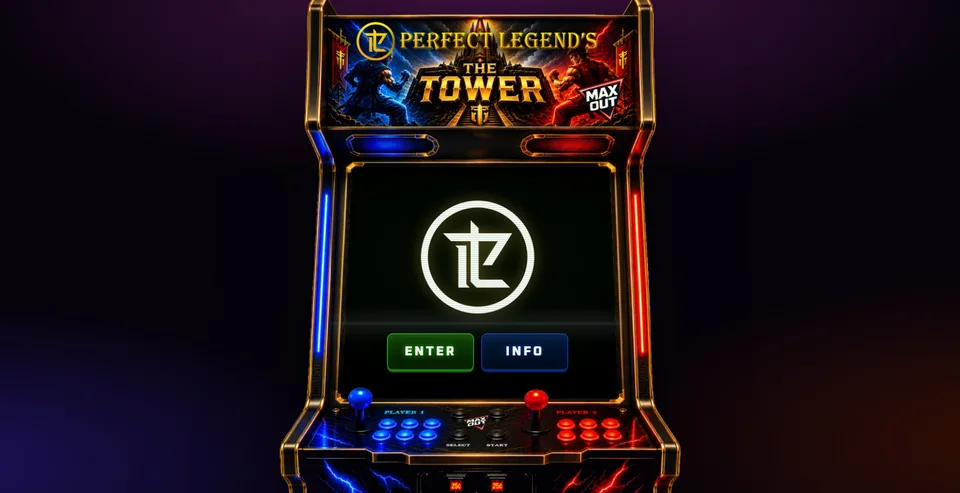
The Tower is one example of what I am building through MaxOut.
It is a competition format I created, and MaxOut is helping provide the infrastructure and support needed to bring it to life.
But The Tower is only one part of the larger picture.
The bigger idea is what happens when more of the competitive gaming ecosystem can exist in one connected environment from the beginning instead of being unlocked piece by piece later.
That is why the monetization question matters so much.
If this model works at scale, I think it could put real pressure on the way gaming platforms think about monetization in general.
Because once the question is asked, it becomes difficult to ignore:
Why should opportunity only become available after someone has already proven they can succeed without it?
MaxOut starts from a different answer.
The ability to build and earn is there from the beginning, alongside everything else that surrounds a gaming journey.
There is still more about MaxOut that I cannot show publicly yet, but I can finally talk about it more openly.
As more becomes available, I will keep showing how it is being built and what it looks like in practice.
